Category
Tech News
2929 stories curated in tech news.

TechCrunch
TechVessev built an electric ferry that almost flies
Vessev developed the VS-9 electric hydrofoil ferry, which lifts its hull above the water to reduce drag, increase efficiency, and provide a smoother ride for urban transit.
3 Oct4 min read

The Verge
TechAn OpenAI safety employee has quit and is sounding the alarm
A former OpenAI safety employee, David Robinson, resigned and now warns that the AI industry's culture is "broken," advocating for nuclear-level safeguards to prevent disaster.
3 Oct3 min read

TechCrunch
TechSpotify billionaire’s body scan startup has come to America
Neko Health, a body scan startup co-founded by Spotify's David Ek, launched in New York, offering a $500 scan for preventative health not covered by insurance.
3 Oct3 min read

TechCrunch
TechAll the AI agents that can live in your text messages
AI agents like Caddy, Fambot, Folk, and Instinct are emerging to perform tasks via text messages, integrating with existing apps and services to manage schedules, research, and complete actions.
3 Oct10 min read

9to5Google
TechThe Pixel 5 doesn’t get enough credit for making the best of a bad situation
The Pixel 5, released during a challenging 2020, successfully navigated supply shortages and design compromises, ultimately delivering a durable and well-aged smartphone that deserves more recognition.
3 Oct4 min read

The Verge
Tech3D movies are finally worth watching
Advances in video glasses and VR headsets now provide a full 1080p view for each eye, making 3D movies a more immersive and worthwhile experience.
3 Oct9 min read

Wired
TechMuse Creates Detailed Profiles of All Your Friends and Family
Meta's new AI assistant, Muse, creates detailed profiles of users' friends and family by compiling data on relationships, including personal facts, history, and suggestions for strengthening connections.
3 Oct4 min read
Tech News
TechCrunch
TechMeta wants your next gadget to be Muse-infused
Meta is open-sourcing Muse, its new AI model for image generation, to encourage its integration into various consumer electronics and expand its accessibility for developers.
3 Oct
Tech News
Hacker News
TechThings that apparently cause cancer
A new analysis demonstrates that a Harvard School of Public Health methodology, which linked nuclear power plants to increased cancer rates, produces absurd results when applied to other common landmarks.
3 Oct9 min read
Tech News
TechCrunch
TechSanders introduces bill to ban the federal government from using Flock
Senator Bernie Sanders introduced a bill to prohibit federal government agencies from utilizing Flock Automatic License Plate Readers and all similar surveillance technologies, citing privacy concerns.
3 Oct

Ars Technica
TechApple changes full-disk access permissions to curb abuse from AI agents
Apple is modifying macOS privacy settings to prevent third-party apps, particularly AI agents, from misusing full-disk access to read message histories and other sensitive user data.
2 Oct4 min read
9to5Google
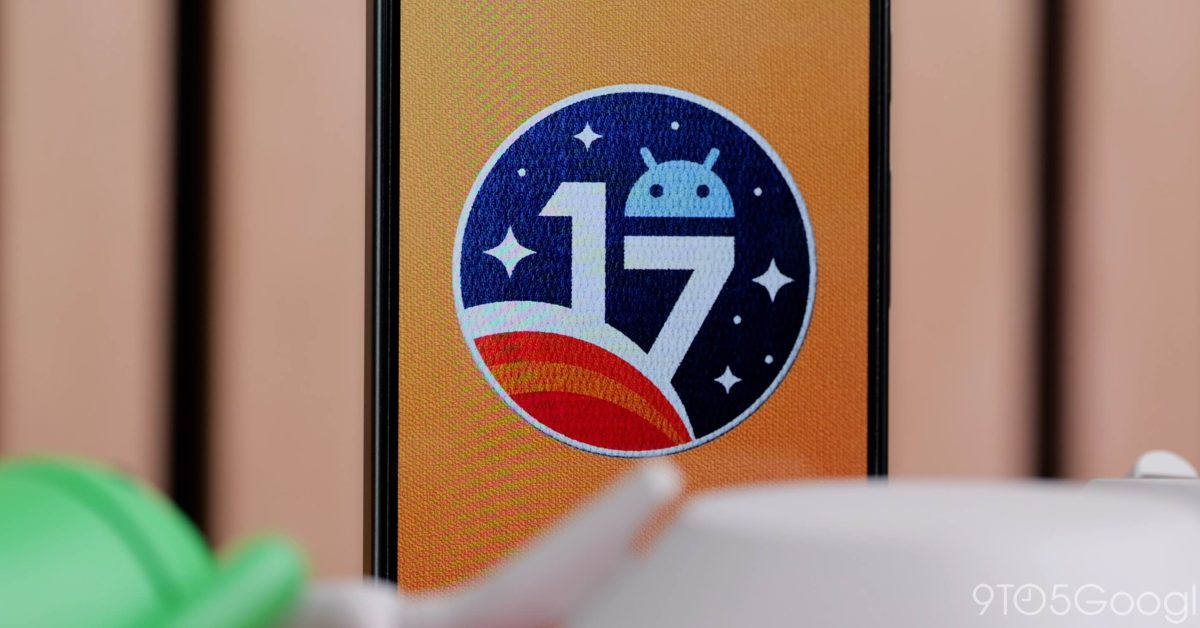
TechHere’s everything new in Android 17 QPR3 Beta 1 [Gallery]
Android 17 QPR3 Beta 1 introduces a new Notes Quick Settings Tile for Pixel 11, status bar tweaks, and the Gemini Intelligence boot screen for Pixel 10 devices.
2 Oct4 min read
Ars Technica
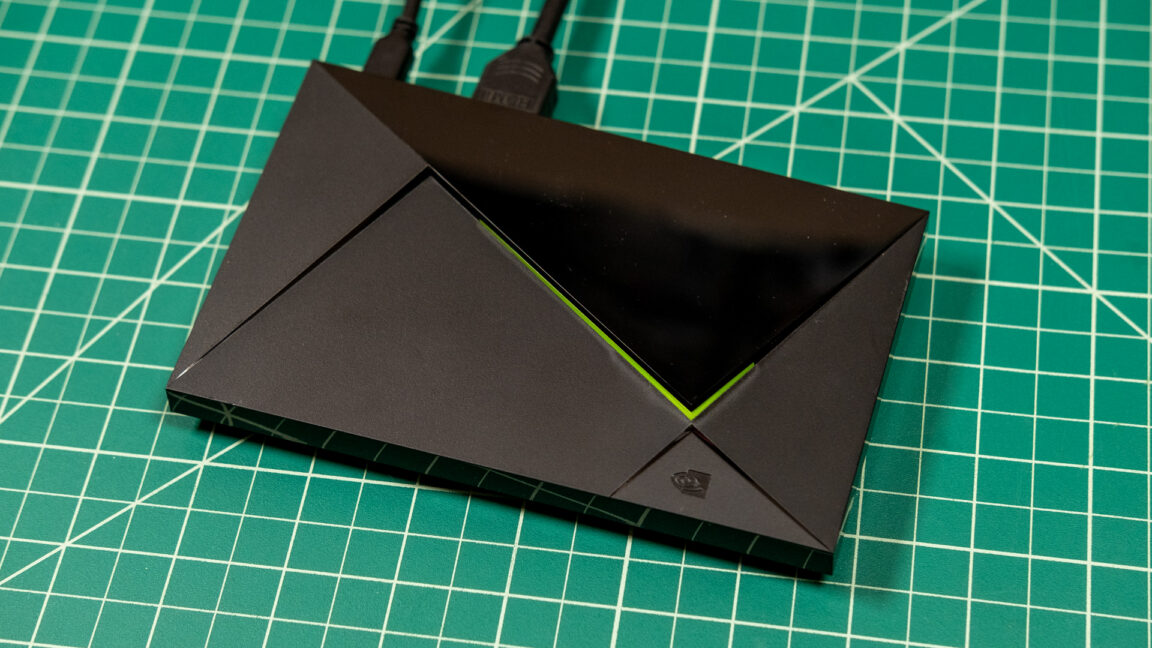
TechThe 7-year-old Nvidia Shield TV is now $100 more expensive thanks to AI
Nvidia increased the price of its seven-year-old Shield TV Pro streaming box by $100, citing rising component costs, particularly memory, due to the generative AI boom.
2 Oct3 min read

The Verge
TechTesla will now let you drive off mid-charge if there’s an emergency
Tesla has introduced an "emergency drive away" feature, allowing drivers to detach a charging cable and drive off during an emergency, a response to a mass shooting at a Supercharger station.
2 Oct4 min read
Tech News
Hacker News
TechHow Singapore's government-run dating service works
Singapore's government-run dating service, FirstDate, uses a 30-question survey and the Gale-Shapley algorithm to match government workers, aiming to address the nation's dating challenges.
2 Oct19 min read

9to5Google
TechGoogle Messages rolls out new long-press menu with partial copying [Updated]
Google Messages now features a new long-press menu, widely rolling out with options for partial text copying, improved navigation, and optimized landscape mode support.
2 Oct3 min read

TechCrunch
TechRobotaxi operators will face fines for blocking first responders
A new California law will fine robotaxi operators if their autonomous vehicles block first responders for over 30 minutes, requiring local support and U.S.-licensed remote drivers.
2 Oct4 min read
Tech News
Hacker News
TechSeveral vulnerabilities have been discovered in the Linux kernel
Debian has issued a security advisory detailing numerous vulnerabilities discovered in the Linux kernel, affecting various components and potentially leading to privilege escalation, denial of service, or information disclosure.
1 Oct7 min read

The Verge
TechApple’s reportedly developing a smart home camera that doesn’t record video
Apple is reportedly developing a smart home security camera that utilizes AI to analyze environments and provide text event descriptions, rather than recording or storing video footage.
1 Oct3 min read
9to5Google
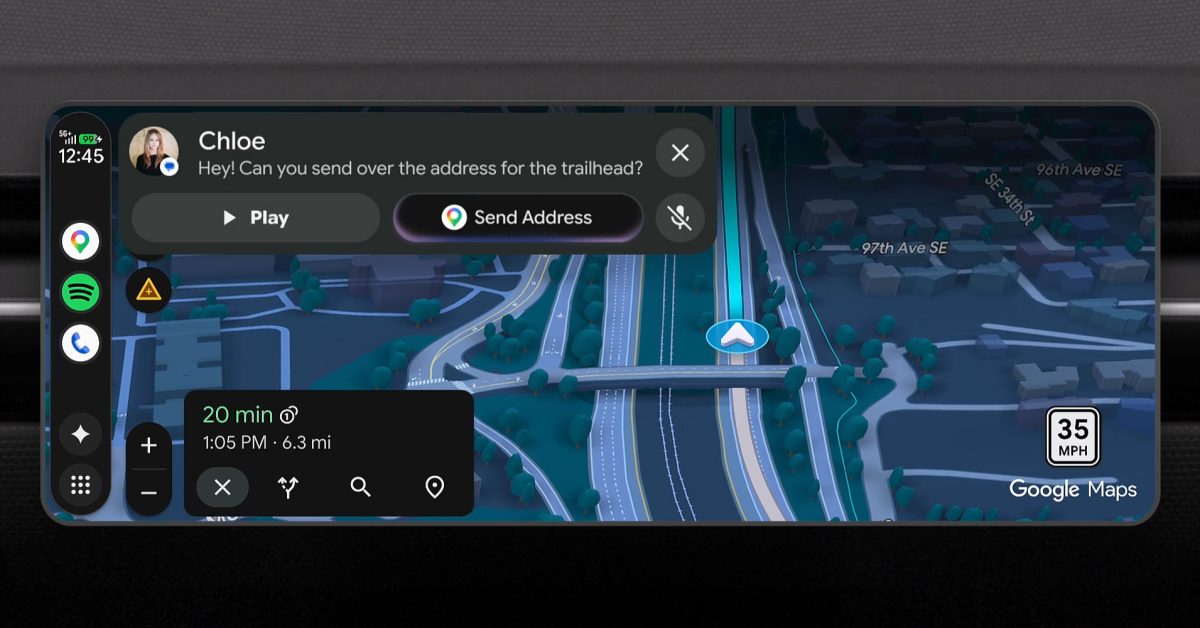
TechAndroid Auto prepares support for Google Pixel’s Magic Cue & Proactive Assistance
Android Auto prepares to integrate Google Pixel's Magic Cue and Proactive Assistance, enabling Gemini to provide personalized, time-saving suggestions and interact with notifications in cars.
1 Oct2 min read

The Verge
TechOpenAI’s new agent is a shot at Meta — but can it compete with free?
OpenAI introduced Dots, a new AI agent powered by GPT-6 Astra, which aims to compete with Meta's free Muse AI agent platform by offering personalized virtual world creation.
1 Oct8 min read

9to5Google
TechSamsung reportedly confirms November launch for first Android XR glasses
Samsung will reportedly launch its first Android XR smart glasses in November 2026, with the initial models being display-less and featuring a camera.
1 Oct2 min read
9to5Google
TechGoogle stands by Gemini 4 performance as some claim it ‘struggles’ in real-world use
Google maintains Gemini 4's performance meets expectations, despite internal reports suggesting the AI model struggles with real-world coding tasks compared to its benchmark scores.
1 Oct3 min read

The Verge
TechInside our months-long investigation into Kevin O’Leary’s Utah data center debacle
Kevin O'Leary's plan to build the world's largest data center in Utah, known as Stratos or Wonder Valley, failed due to local residents' opposition and a lack of transparency.
1 Oct31 min read
Page 11 of 123 · 2929 total