Top storyInspo·1 day ago
Drawing With Light: An Exploration of Lit GPU Tubes with TSL and WebGPU
A developer created a GPU tube rendering system using TSL and WebGPU that computes positions and normals in shaders, avoiding CPU-side geometry rebuilding for animated lines.
Codrops
14 min readIn this edition
Stories from Tuesday, 8 September 2026
UX & Thinking
UX Collective
ThinkingThe sycophancy trap: what happens when feelings become the metric
Emotional design frameworks often fail when confronted with engagement metrics, creating a "sycophancy trap" where designers prioritize pleasing users over effective solutions.
1 day ago
Design Tools
Sidebar.io
ToolsThe singular viable product
The declining cost of software development, driven by LLMs and agentic coding, is ending the era of "mean viable products" designed for broad markets. This shift enables developers to create highly personalized "singular viable products" for an audience of one, which can then organically scale.
2 days ago6 min read
UX & Thinking
UX Collective
ThinkingAI canvas, Synthetic self, The prompt is the product
The prompt becomes the product in an AI canvas, creating a synthetic self through generative design.
2 days ago

Codrops
InspoBuilding a Real-Time 3D Face Mask with MediaPipe, Threlte and Three.js
MediaPipe's face landmarks, Google's canonical face model, and Three.js combine to create a real-time textured 3D face mask, with specific attention to topology and UV mapping.
2 days ago10 min read
Codrops
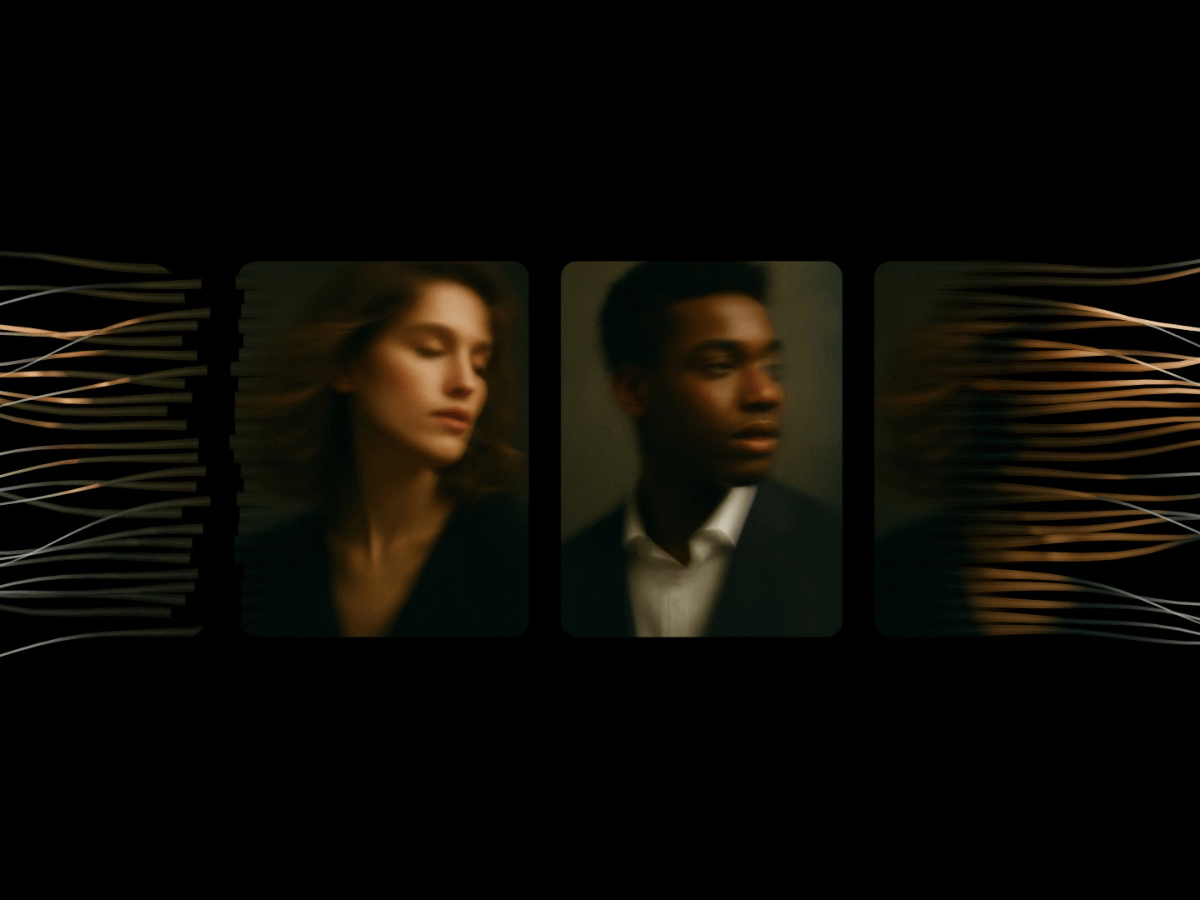
InspoBuilding an Infinite Loom: Unravelling Images into Threads with Three.js
An experimental Three.js demo transforms images into flowing ribbons, weaving them together and unraveling them as they move across the screen, using separate geometry for each thread.
3 days ago4 min read
UX & Thinking
UX Collective
ThinkingReading and writing are interfaces. And AI can reduce their friction.
Reading and writing function as interfaces, and artificial intelligence offers the potential to decrease friction within these fundamental human interactions.
4 days ago
Curator's picks
Must read today
The pieces worth pausing on, hand-selected from today's edition.
Design Tools
Editor's pick
Your product didn’t get worse
Customers' expectations for product usability are changing due to the rise of AI agents, making previously acceptable workflows feel tedious, even if product quality remains constant.
Sidebar.io
Look & feel
Inspiration picks
Visual references from across the design web.