Top storyVideo·6 Oct
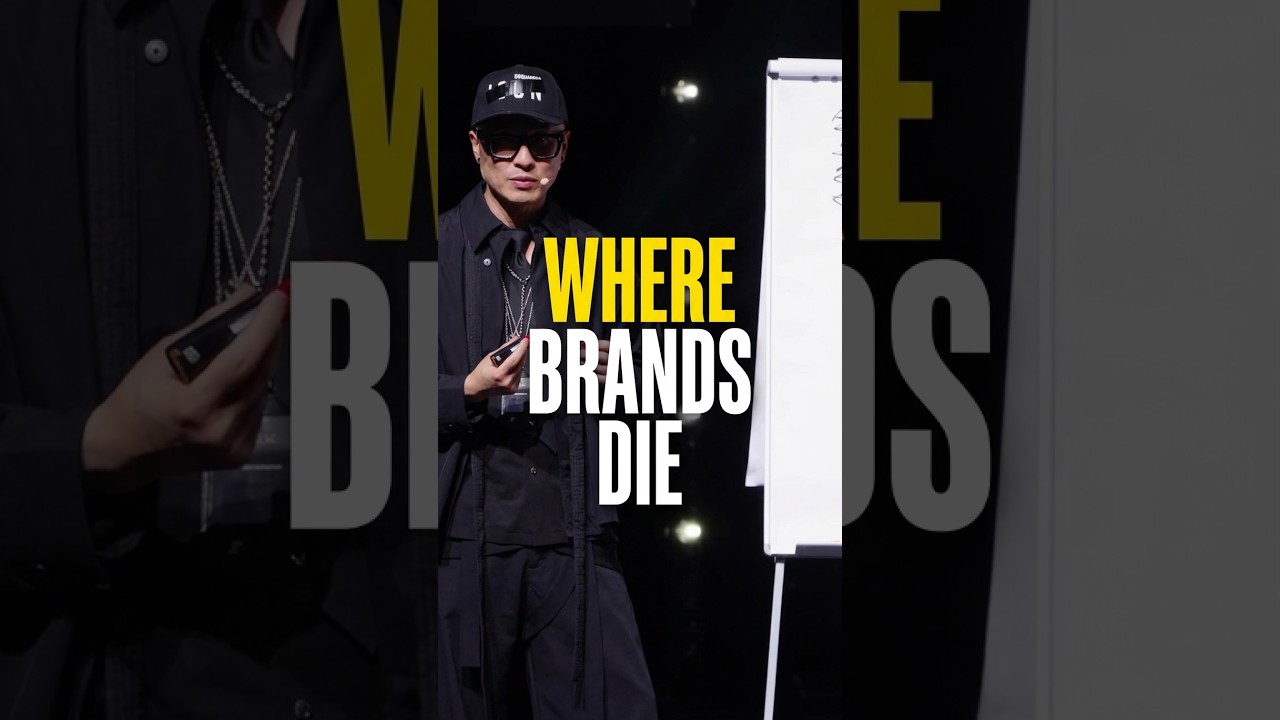
Brands Die in The Middle #branding #personalbranding
Brands often fail when they occupy a generic middle ground, lacking a distinct identity or a clear, differentiated value proposition for their target audience.
The Futur
In this edition
Stories from Wednesday, 7 October 2026
UX & Thinking
UX Collective
ThinkingWhy designers need to stop reporting and start recommending at work
Designers should transition from merely reporting observations to actively recommending solutions, providing clear direction instead of just presenting findings like sticky notes.
6 Oct
Design Tools
Sidebar.io
ToolsAmazing glass
Amazing-glass offers web components that replicate Apple's liquid glass effect, accurately rendering light refraction and depth by bending the background behind the element.
5 Oct3 min read
Design Tools
Sidebar.io
ToolsA loading state within a loading state
Adding content to a loading screen, like a progress bar or helpful tips, can distract users but risks reducing the incentive to optimize loading times.
5 Oct4 min read
Design Tools
Sidebar.io
ToolsGoogle has the best AI money can buy. Its products still feel broken.
Google's AI-era products are breaking user trust by presenting probabilistic AI outputs with the same authority as deterministic search results, a problem stemming from organizational culture, not model quality.
5 Oct4 min read
Inspiration
One Page Love
InspoWebsite Inspiration: Select26
The Select26 conference website features a retro-computing design, incorporating monospaced lettering, pixel graphics, ASCII-like patterns, and dithered monochrome portraits, all accented with Supabase green.
4 Oct
AI & Tools
Hugging Face
AIThe Agent Said It Was Done. The Database Disagreed.
Microsoft and Hugging Face introduce ThinkingBox, a new benchmark and grading system for AI agents that evaluates their reliability based on database state changes rather than just tool calls or generated sentences.
3 Oct15 min read