Category
UX & Thinking
140 stories curated in ux & thinking.
UX & Thinking
UX Collective
ThinkingThe CSS hack that extends your website on iOS Safari
A CSS hack can extend a website's background color into the notch and bottom bar areas on iOS Safari, enhancing the immersive user experience.
12 Aug
UX & Thinking
UX Planet
ThinkingGamma Tips & Tricks for Product Designers
Gamma provides tips and tricks for product designers.
10 Aug
UX & Thinking
UX Collective
ThinkingThe loom that raised its hand
Loom engineering has progressed over 90 years, teaching machines to independently identify and correct their own errors in the manufacturing process.
9 Aug
UX & Thinking
UX Collective
ThinkingThinking outside the box (literally)
Designers are considering unconventional shapes and forms beyond traditional rectangular designs.
9 Aug
UX Planet
ThinkingYou’re Using Claude Design Wrong
Claude Design is often misunderstood as a tool for generating final designs, rather than a tool for quick ideation.
4 Aug5 min read

UX Collective
ThinkingDesigning for the proxy
AI is changing the design audience, as digital experiences now often interact with machines, like language models, before reaching human users.
2 Aug7 min read
UX Collective
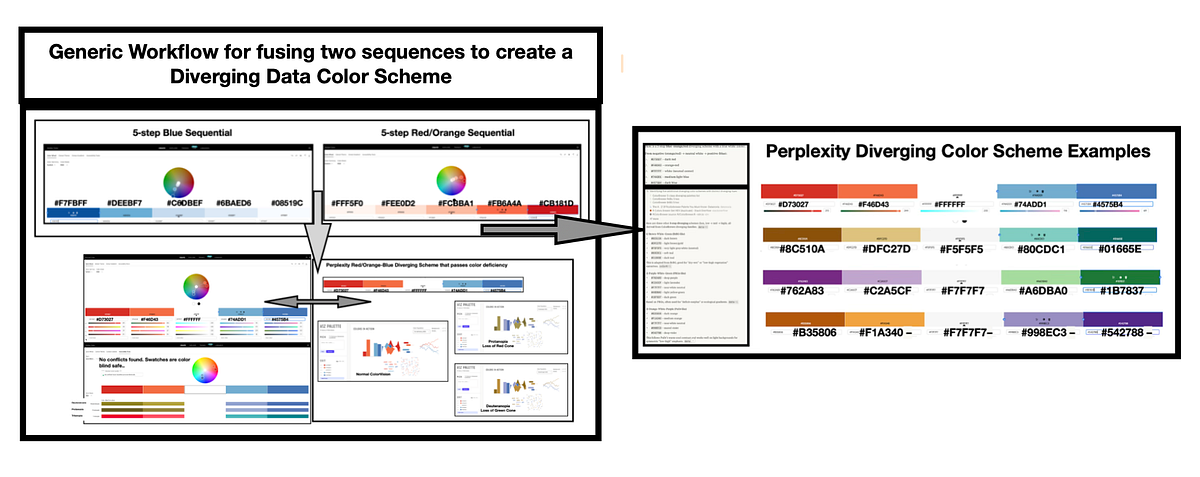
ThinkingPerplexity diverges with color
Perplexity, a text-based generative AI model, can serve as a color suggestion tool for building diverging color schemes in data visualizations, requiring user modification of Hex code suggestions.
1 Aug7 min read
UX Collective
ThinkingCreative Technologists are moving from the margins to the center
Creative technologists are increasingly central to product teams, bridging design, code, systems, and storytelling as AI reduces the gap between ideas and implementation.
1 Aug13 min read
UX Planet
ThinkingI Tried Logo Design with Claude Design and It’s Amazing
Claude Design is used for logo creation and various design tasks, including slide deck and HTML email template design.
31 Jul7 min read

UX Collective
ThinkingJakob’s law: How to apply it as AI collapses surfaces into one chat box
AI assistants are consolidating tasks into one conversational surface, changing how Jakob's Law applies to user interface design.
30 Jul17 min read
UX Collective
ThinkingRethinking friction in an AI world
Frictionless design can sometimes be counterproductive, as removing all obstacles can lead to a lack of engagement or understanding.
30 Jul6 min read

UX Collective
ThinkingYour people get AI. Get out of their way.
Ninety-five percent of corporate AI projects fail due to company bureaucracy and lack of trust in employees.
29 Jul13 min read
UX Collective
ThinkingBattling AI fatigue as a designer and developer: a practical guide
Designers and developers can combat AI fatigue by limiting AI usage in personal life and doing fun tasks themselves.
29 Jul8 min read

UX Collective
ThinkingThe UX of Contrast: Lessons from Indika’s Game Design
Indika's game design uses contrast to shape player interpretation of the story and emotional conflict.
29 Jul14 min read
Smashing Magazine
ThinkingThe Bull And Bear Case For Digital Design In The Age Of AI
AI may give designers greater autonomy to create and implement design solutions with less need for permission from others.
29 Jul10 min read

UX Collective
ThinkingThe MOS 6502: the people’s princess
The MOS 6502 chip impacted design by blending arcade game UI concepts with affordable 1970s calculator chips.
28 Jul7 min read
UX Collective
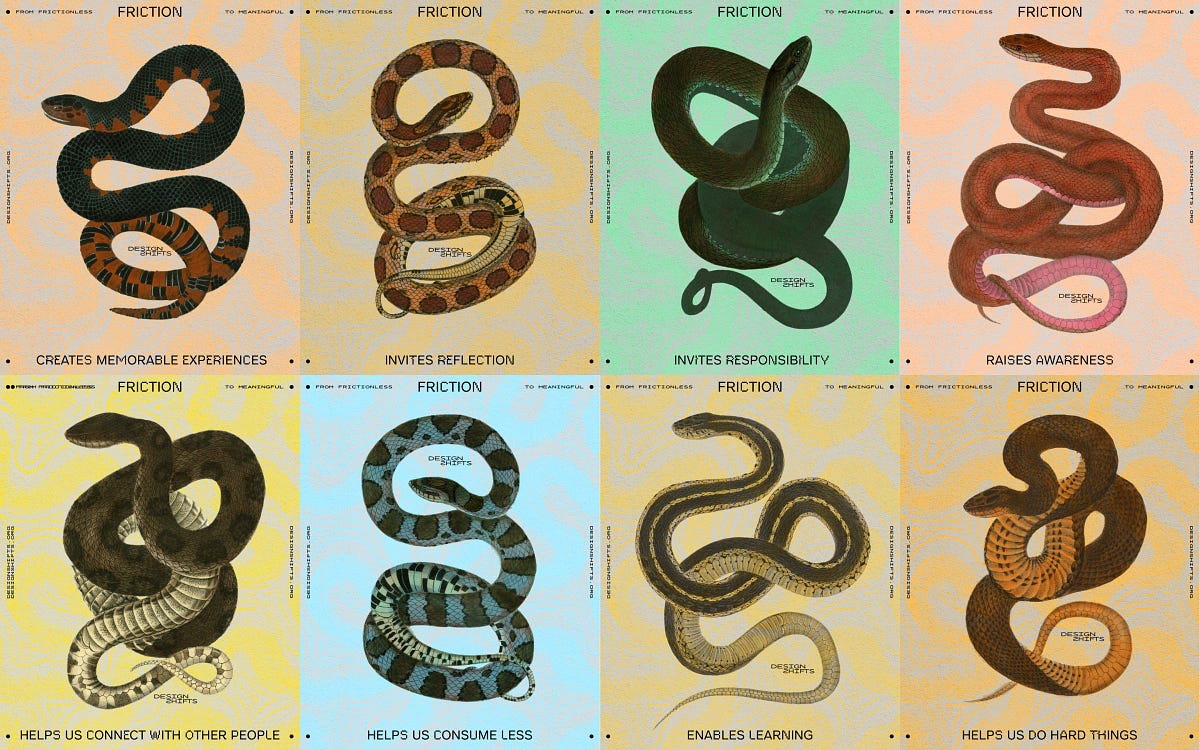
ThinkingFrom frictionless to meaningful
Friction in design can create memorable experiences, invite reflection, and help users connect with others and consume less.
27 Jul11 min read
UX Planet
ThinkingClaude Opus 5 for Product Designers
Anthropic released Opus 5, its latest AI model, which is capable but slow and expensive.
27 Jul7 min read
UX Collective
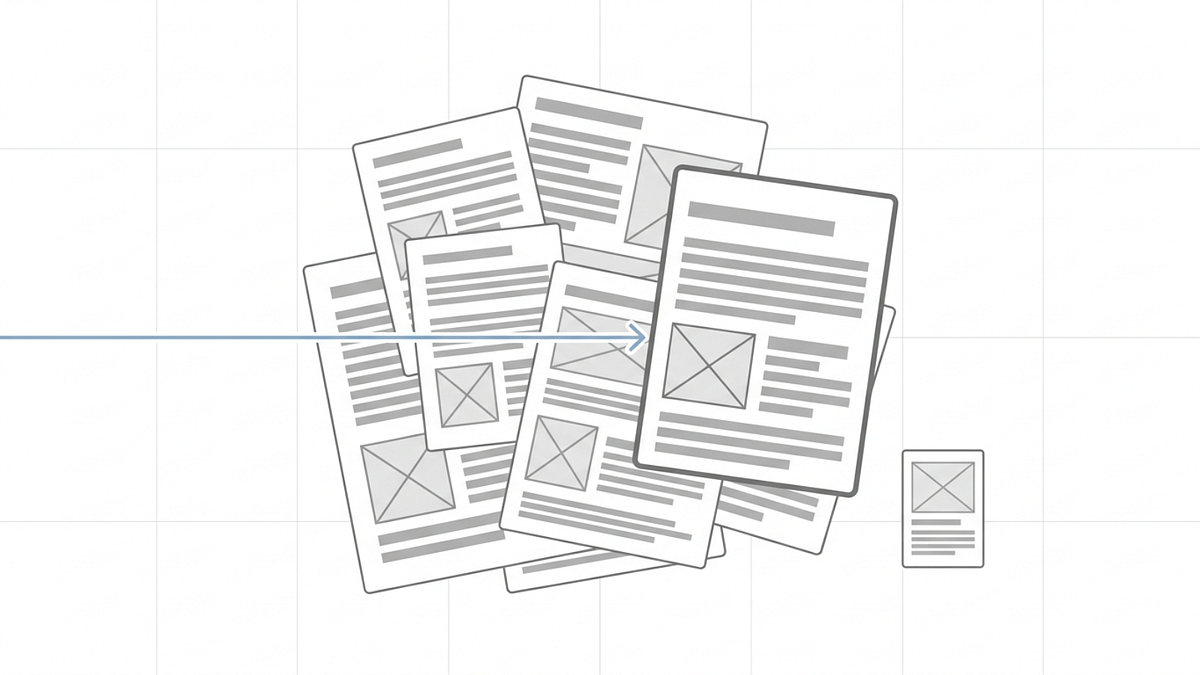
ThinkingInformation architecture is the foundation artificial intelligence is starving for
Poor information architecture causes AI problems like hallucinations and wrong answers due to disorganized content stores.
26 Jul12 min read
UX Collective
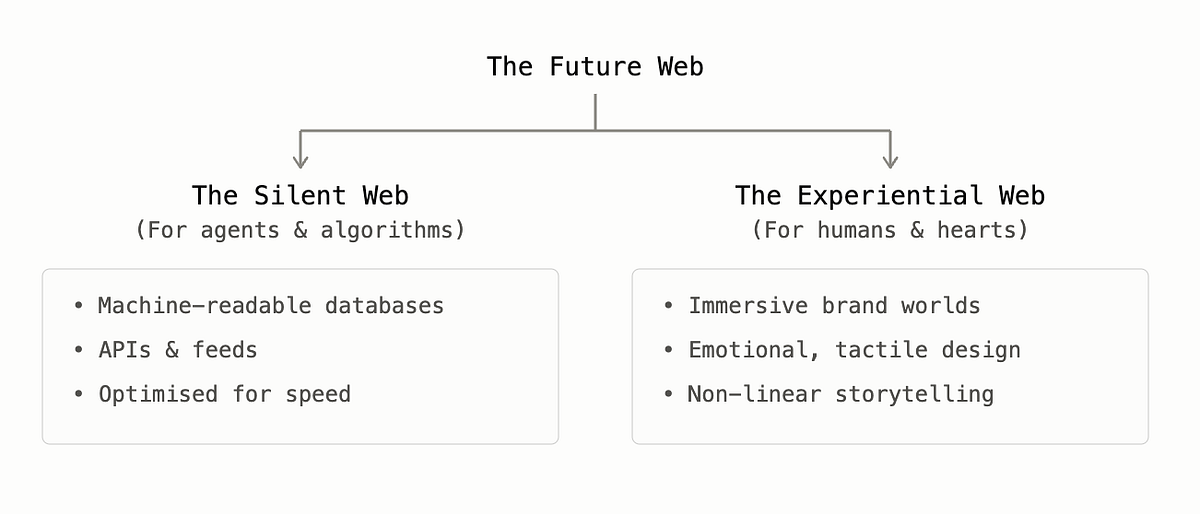
ThinkingYour website is boring (but that might just set it free)
The templated web, driven by efficiency and conversion optimization, has led to homogenized websites, sacrificing brand differentiation and making them forgettable.
26 Jul7 min read

UX Collective
ThinkingThe seams are where the system lives
Partitioning a system into clean modules does not remove complexity, it instead relocates the complexity to the seams between those modules, as seen in city zoning and software microservices.
26 Jul8 min read

UX Collective
ThinkingSteal this UX framework from Dubai’s most over-the-top hotel
A Google UX researcher suggests studying hotels, specifically Dubai's Atlantis The Palm, to uncover hidden user experience design principles in hospitality.
23 Jul7 min read
UX Collective
ThinkingFour questions every tool should answer (even Figma) about AI training model usage
Design tools should answer four questions regarding their AI model training practices to build user trust, especially after recent controversies involving Figma, Zoom, Slack, and Adobe.
23 Jul17 min read
UX Planet
ThinkingFigma vs. Claude Design: Two Fundamentally Different Design Workflows
Figma and Claude Design represent two fundamentally different design workflows.
23 Jul6 min read
Page 2 of 6 · 140 total