Top storyInspo·9 hours ago
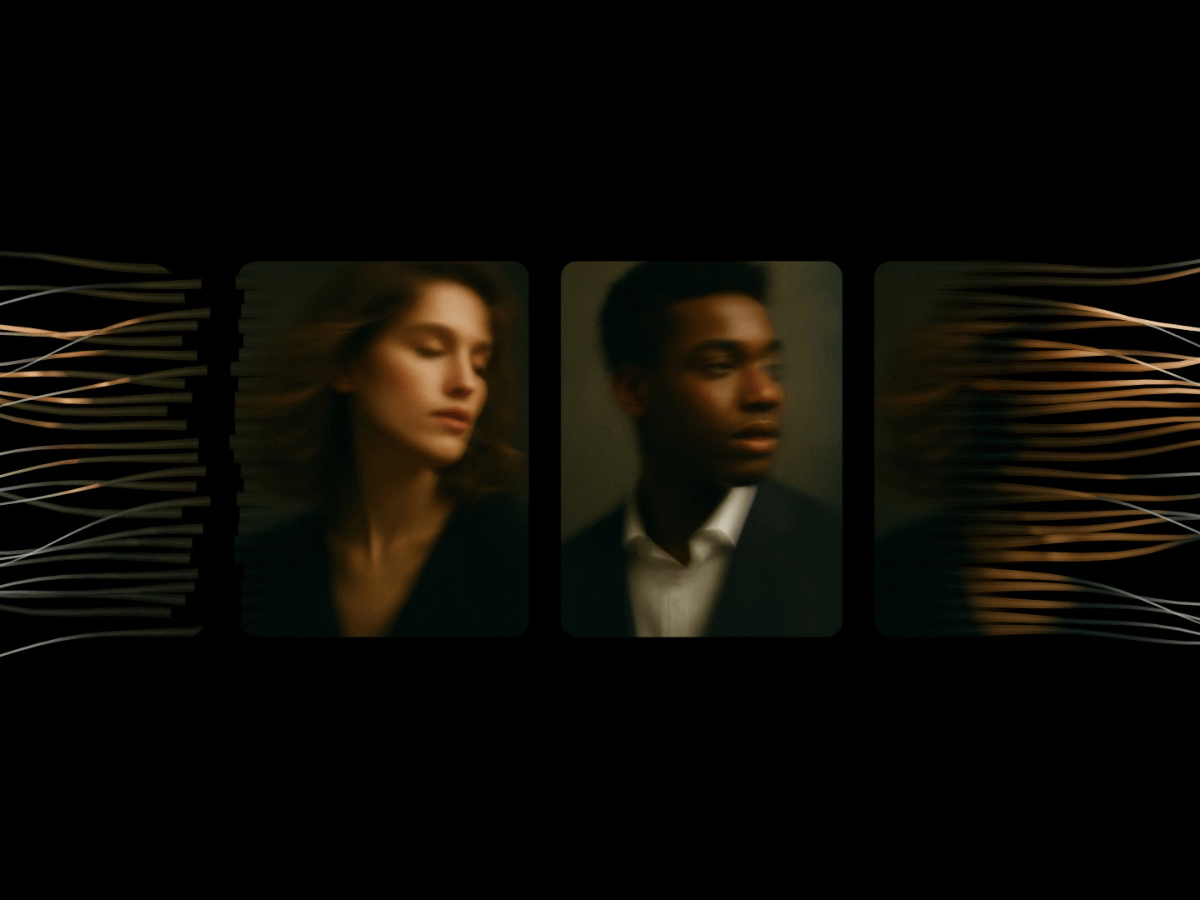
Building an Infinite Loom: Unravelling Images into Threads with Three.js
An experimental Three.js demo transforms images into flowing ribbons, weaving them together and unraveling them as they move across the screen, using separate geometry for each thread.
Codrops
4 min readIn this edition
Stories from Saturday, 5 September 2026
UX & Thinking
UX Collective
ThinkingWhat Minority Report got wrong about AI (so far)
Minority Report's depiction of AI, while influential, has not yet materialized in reality, prompting a reevaluation of its futuristic predictions.
2 days ago

Codrops
InspoMore Three.js Speakers, More Ideas from Paris
Three.js Conference speakers will present on interactive storytelling, real-time 3D games, and using Three.js scenes and Gaussian splats as training data for generative video models.
2 days ago10 min read

Codrops
InspoBreaking the Frame: Building a Real-Time Datamosh Effect with Three.js
A real-time datamosh effect can be built using Three.js by employing shaders and techniques inspired by video codecs, transforming scene transitions into unpredictable visual distortions.
3 days ago9 min read

CSS-Tricks
ToolsLet’s Use the Emergent CSS random() Function in all the Browsers
The emergent CSS `random()` function, currently supported only in Safari, allows for controlled presentational randomness in web designs, reducing the need for JavaScript.
5 days ago16 min read

Lenny's Newsletter
Product🎙️ How I AI: How this PM uses Claude to handle 70% to 80% of his workday
A product manager at Melio developed a self-improving AI system using Claude and Cowork that manages 70-80% of his workday, handling tasks from Notion board updates to email scanning.
5 days ago4 min read
CSS-Tricks
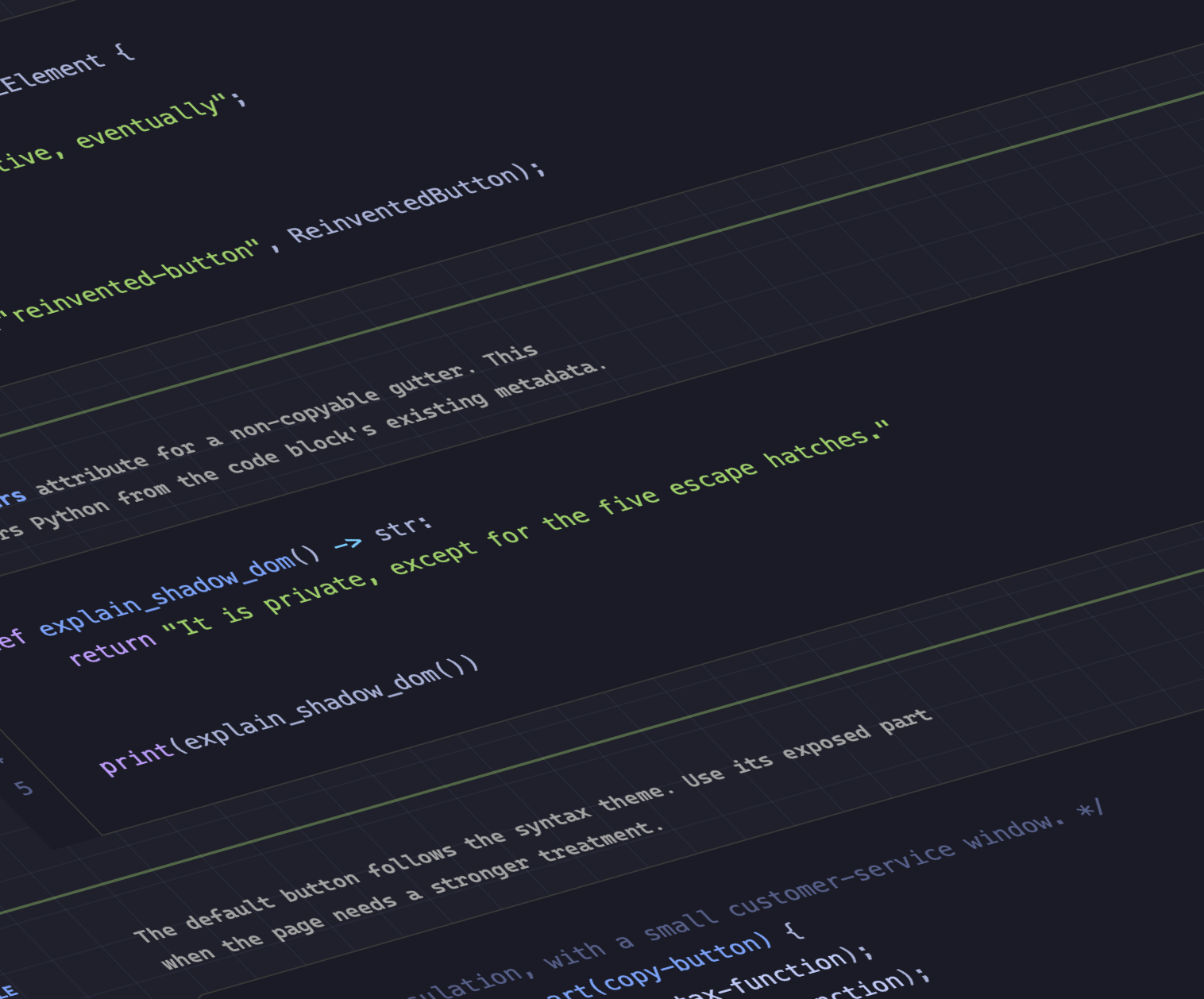
ToolsWhat’s !important #18: , Syntax ::highlight()ing, named-feature(), and More
This article compiles recent CSS developments, including delayed-then-instant tooltips, the Custom Highlight API, retrieving CSS grid information into custom properties, and new selectors like named-feature().
5 days ago3 min read
Curator's picks
Must read today
The pieces worth pausing on, hand-selected from today's edition.
Design Tools
Editor's pick
Unwinding the great tech power grab
Movements like Neo-Luddism and Permacomputing are emerging to reclaim power over technology, addressing how it has atrophied civic engagement and democratic accountability.
Sidebar.io
Look & feel
Inspiration picks
Visual references from across the design web.